
Ask any longtime Knoxville triathlete about the TriDeltathon and you’ll usually get a nostalgic pause before the answer comes. This race has been around long enough that people talk about “the year it rained” or “the year the pool felt extra crowded” the way runners swap stories about old marathons. That kind of history doesn’t happen by accident.
If you’re weighing whether the trideltathon belongs on your race calendar, here’s the honest rundown — what the course actually feels like, who shows up and why it’s stuck around for so many decades while newer races have come and gone. Explore more practical guides and insights on ClaudeTrends.
What Actually Sets This Race Apart
Here’s the thing most triathletes notice first as there’s no lake, no river, no worrying about visibility or currents. The swim happens in an indoor pool on the University of Tennessee campus and that one detail changes the entire feel of the day.
Open-water swims are intimidating for a lot of people and honestly. That fear keeps plenty of would-be triathletes from ever signing up for their first race. Take that anxiety off the table and you get a very different crowd on the start line — first-timers standing next to seasoned racers both feeling like they belong there.
Decades of History, Not Just a Race Weekend
The University of Tennessee campus has hosted this event for a very long time, and that longevity shows in small ways you might not expect. The volunteers know what they’re doing. The transition area runs smoothly. Nobody’s figuring out logistics on the fly.
Races that have been refined over decades tend to iron out the kinks that trip up newer events — confusing course markings, disorganized packet pickup, that sinking feeling of not knowing where to go. You won’t find much of that here.
Who Keeps It Running
The event leans heavily on volunteers from the Delta Delta Delta sorority. Who handle everything from handing out race packets to marshaling the bike course. It’s not just extra hands on deck — their involvement is baked into the event’s identity, tying directly back to its charitable roots.
Dissecting the Race Course
Knowing exactly what you’re training for makes a real difference on race morning. Here’s the general shape of the course:
| Leg | Distance | What to Expect |
| Swim | 400 meters | Indoor pool, seeded lane-crossing format |
| Bike | About 6 miles | Through campus and along Neyland Drive |
| Run | About 3 miles | Passes Neyland Stadium and Thompson-Boling Arena |
The swim format is genuinely unusual if you’ve never done a pool triathlon. Swimmers enter one at a time, spaced a few seconds apart and duck under the lane ropes to cross from one lane to the next — fastest swimmers starting in the quick lanes, working down from there. It sounds chaotic on paper. In practice, it moves fast and keeps the pool from turning into a washing machine.
From the pool deck, athletes head outside for a bike leg that winds through campus roads and along Neyland Drive, then finish it off with a run that takes you right past two of the most recognizable landmarks in Knoxville sports.
Why People Keep Signing Up Year After Year
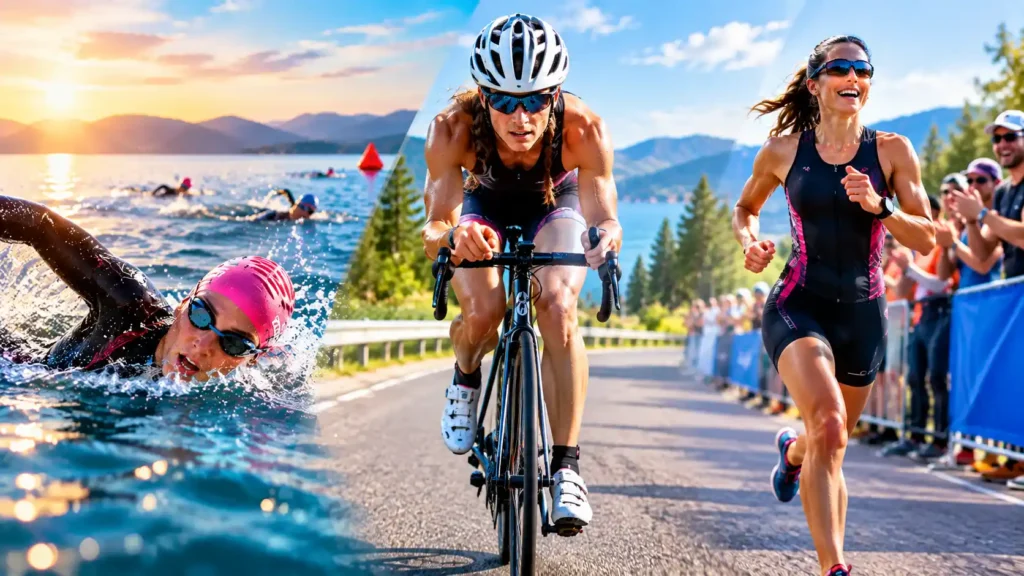
Talk to enough people who’ve done this race more than once and a few themes come up again and again — the low-stress swim start, the volunteer energy, the sense that your entry fee is actually going somewhere good.
A few reasons the trideltathon keeps its loyal following:
- The pool swim removes most of the nerves that come with open water
- Volunteer support from an experienced, organized team keeps things running on time
- Entry fees have historically gone toward East Tennessee Children’s Hospital
- The bike and run routes double as a scenic tour of UT’s campus
- Age categories are wide enough for middle schoolers and lifelong masters athletes alike
- Relay divisions let teams split up the work
Who Shows Up to Race
You’ll see a genuinely mixed crowd — college students racing for the first time, local families and veteran age-groupers who’ve been doing this for years. The age range on the individual event typically stretches from around ten years old up into the nineties and relay teams open things up even further.
Relays are worth considering if you’re new to the sport or just want to race alongside friends without training for all three disciplines yourself. It’s also a solid option if you’re a strong cyclist or runner but not quite ready to tackle a full swim bike run on your own.
Getting Ready: Registration and Packet Pickup
Don’t wait until race morning to sort out logistics if you can help it. Organisers managing larger events can also benefit from choosing the right custom software development approach for registration and event logistics. Packet pickup is usually spread across a couple of days before the race, often at a local running store, with a same-day option available too for anyone who can’t make it early.
| Task | When It Usually Happens |
| Early packet pickup | A few days before, at a local running shop |
| Beginner clinic | Evening session, the week of the race |
| Morning-of pickup | Early race morning, at the venue |
| Same-day registration | Available, but don’t count on it |
Student pricing is typically available too, which makes sense given the campus setting. Worth double-checking if you’re a UT student before you pay full price.
Training for a Pool-Format Swim
This part trips people up if they’ve only trained for open-water races. Forget sighting buoys and reading currents — the trideltathon swim rewards steady pacing and comfort with the lane-crossing rhythm more than anything else.
Practice even-paced 50-meter repeats until crossing eight lengths feels automatic, not something you have to think about mid-swim. For additional guidance on preparing for the swim, bike and run portions of a triathlon, see the triathlon training tips from USA Triathlon. On the bike, since you’re riding through actual campus roads rather than a closed course, get comfortable with a bit of traffic-adjacent riding beforehand. And on the run — this is where a lot of first-timers lose time — practice finding your legs again right after dismounting the bike, because that transition hits differently than you’d expect.
The Cause Behind the Race
There’s a reason this event has stuck around for decades instead of fading out like so many local races do — it’s tied to something bigger than finish times. Proceeds have historically supported East Tennessee Children’s Hospital, which gives the whole morning a different weight.
It’s easy to register for a race just to chase a personal best. This one gives you a reason to feel good about the entry fee itself, regardless of how your splits turn out.
Race Morning Reality Check
Get there earlier than you think you need to. Using AI productivity tools to organise your race-day checklist can also make it easier to keep track of everything before the start. Between packet pickup, body marking, setting up your transition spot and actually warming up, the morning fills up fast — and campus parking is rarely as convenient as parking at a typical race venue.
Because the swim start is seeded based on your estimated time rather than a mass start, you’ll have a rough sense of your starting window ahead of time, which takes some of the guesswork out of the morning. Still, check the event’s current communications close to race day — campus access and parking details can shift year to year.
How It Stacks Up Against a Typical Sprint Tri
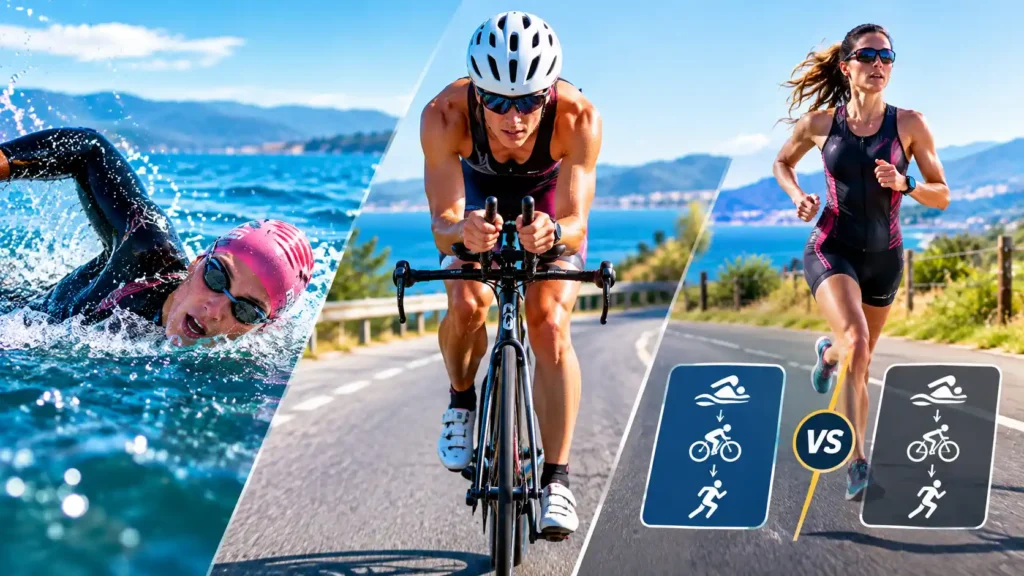
If your race experience so far has been open-water sprints. A few things about this event will feel unfamiliar right away.
| Feature | Typical Sprint Triathlon | TriDeltathon |
| Swim setting | Open water | Indoor pool |
| Swim start | Mass or wave start | Individually seeded |
| Course location | Varies | University campus |
| Charity tie-in | Varies | East TN Children’s Hospital |
| Volunteer team | Mixed | Delta Delta Delta sorority |
That combination — lower swim anxiety, campus charm and a genuine cause behind it — is a big part of why this event works so well as a first triathlon.
Final Thoughts
The trideltathon isn’t trying to be the biggest or flashiest race on the calendar and that’s kind of the point. It’s a Knoxville institution built on decades of steady hands. A pool swim that takes the edge off for newer athletes and a course that turns a college campus into a genuinely memorable race route. Whether you’re chasing a new personal best. Testing the waters with your first triathlon ever or splitting the effort with a relay team, this is a race that’s earned its long history the hard way.
FAQs
Is the TriDeltathon a good first triathlon?
Yes — the indoor pool swim removes much of the open-water anxiety that keeps first-timers from signing up. Making it one of the more forgiving entry points into the sport for beginners.
How long is the TriDeltathon course?
It typically runs a 400-meter indoor pool swim, roughly a 6-mile bike through campus and about a 3-mile run past landmarks like Neyland Stadium.
Where do TriDeltathon proceeds go?
Entry fees and fundraising have historically supported East Tennessee Children’s Hospital. With race-day logistics handled largely by Delta Delta Delta sorority volunteers.
Can I do the TriDeltathon as part of a team?
Yes — relay divisions let teams split the swim, bike and run between multiple people. Which is a popular option for beginners or groups racing together for fun.